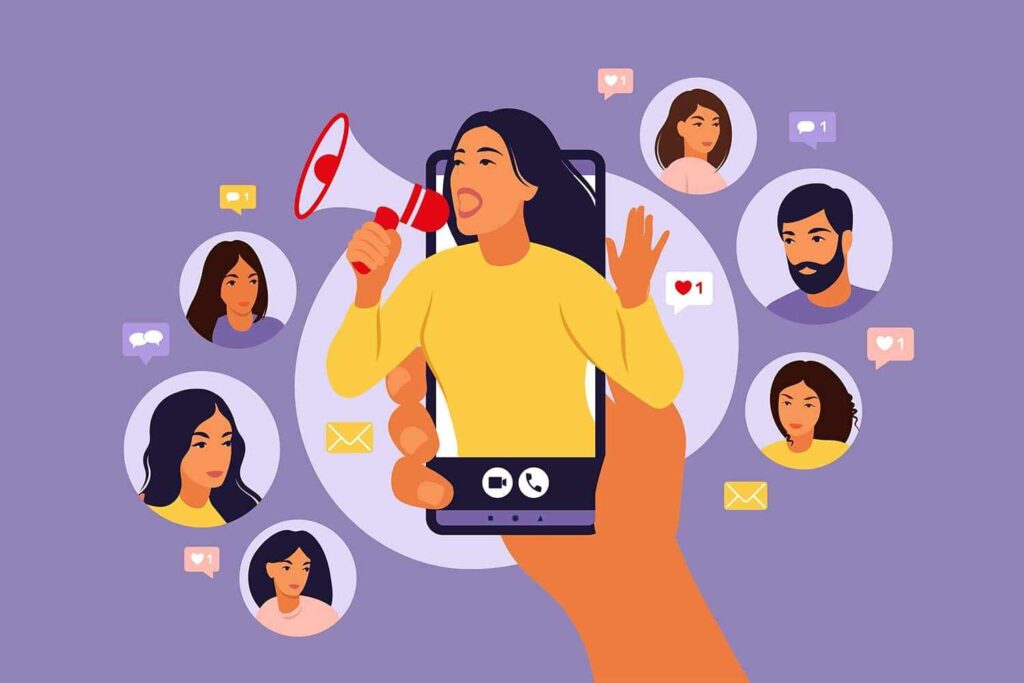
Future of Influencer marketing evolved from its inception with celebrities endorsing things to becoming a constantly thriving ecosystem of creators—nano-influencers with a few thousand followers, international icons with millions, and so on. But as the online sphere continues to grow, another trend is reshaping the future of influencer marketing: virtual creators and AI influencers.
These are not your average influencers with selfies, behind-the-scenes shots, or human flaws. Rather, they are digital personalities artificial intelligence-powered, created to appear, act, and even respond like actual people.
Table of Contents
What Are Virtual Creators and AI Influencers ?
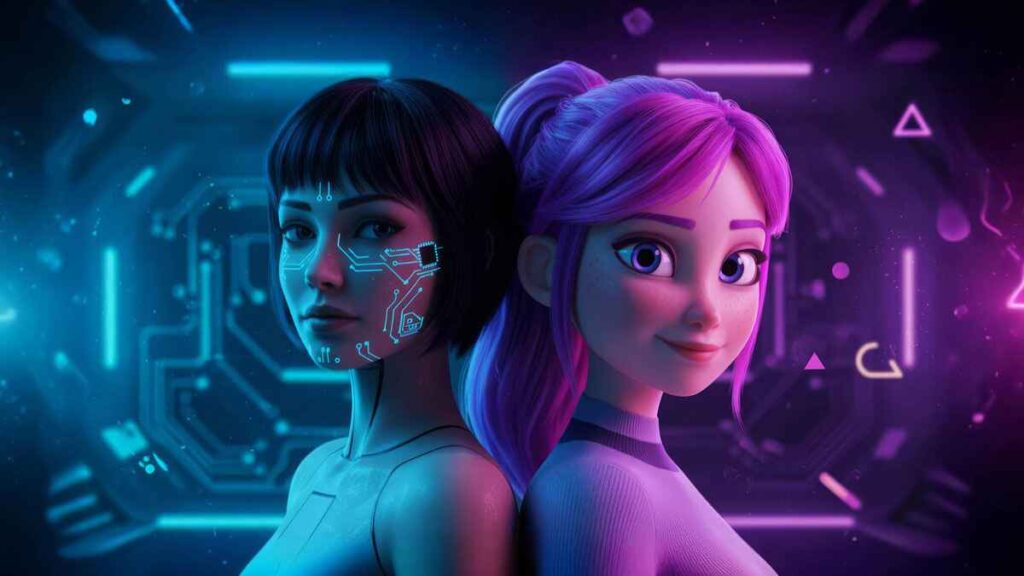
Essentially, virtual influencers are online personalities built through computer-generated imagery, artificial intelligence, and narrative. They are modeled to imitate human characteristics, feelings, and habits. In contrast to conventional influencers, their existence is intentionally scripted by groups of creators, marketers, and AI algorithms.
Some example are:
- Lil Miquela – A fashion model and record artist who has millions of followers on Instagram.
Contrast this with AI influencers, who are a notch higher than user-generated content. They don’t just depend on canned scripts—instead, they have artificial intelligence assistance, which allows them to engage with their followers in real-time, edit content, and even “learn” from follower feedback.
Why Are Brands Using Virtual Influencers?
You may be asking: why would a brand use a digital avatar instead of a human being? The reason is control, creativity, and economy.
1. Total Creative Control
With human future of influencer marketing, brands have to deal with real-life issues such as controversies, timing, and personal beliefs. Virtual influencers are completely managed by creators. They will never utter a word that’s out of brand, get embroiled in a scandal, or miss a campaign.
2. Immersive Storytelling
virtual influencers make it possible for brands to try out narrative experimentation that actual humans can’t. They might exist in sci-fi universes, partner with robots, or traverse galaxies—while pushing merchandise.
3. Cost-Effectiveness
Although the initial development of a virtual influencer is costly, in the long run, they are cheaper to work with compared to using high-end celebrities or mega influencers who can command large fees on a per campaign basis.
4. Borderless Engagement
Virtual influencers have no geographical location, way of life, or cultural heritage. They can be made appealing to universal audiences, eradicating geographical marketing barriers.
The Emergence of the Metaverse and Virtual Worlds Advantages
Virtual influencers introduce a new array of advantages to future of influencer marketing campaigns:
- Scalability – They can simultaneously appear on several platforms, in several formats.
- Customizability – Their look, personality, and even backstory can be created to match the brand.
- Innovation Factor – AI influencer campaigns create a buzz, getting media attention.
- Data-Driven Personalization – AI makes personalization based on audience interaction possible, which drives campaigns more effectively.
The Flip Side: Issues & Future Of Influencer Marketing
But let’s not beat around the bush—this space has some real issues to solve.
1. Authenticity & Trust
Future of Influencer marketing succeeds because folks trust humans. Can a virtual persona, who doesn’t consume the food or dress in the apparel, really be trusted to endorse products?
2. Ethical Responsibility
Should followers always be informed when they’re engaging with a non-human influencer? And what if these avatars create unattainable beauty standards even more radical than Photoshop ever achieved?
3. Creative Risks
Virtual influencers risk coming across as gimmicky if not used responsibly. Human beings love stories and feelings—if they are absent, the novelty dissipates very fast.
4. Regulation Gaps
Governments and advertising authorities are only now considering these questions.
Advantages Virtual Influencers Apart
- Consistency – The Always on-brand, 24/7.
- Customization – Appearance, voice, personality— all can be adjusted to fit brand personality.
- Scalability – One future of influencer marketing, limitless campaigns across markets.
- Personalization – AI influencers can personalize content based on audience data, getting campaigns more specific than ever.
The Future of Influencer Marketing with AI
This is what the future holds:
- Hybrid Campaigns – Human influencers working alongside AI influencers to blend authenticity and creativity.
- Personalized AI Influencers – Brands building digital personas for customer segments. Picture every user engaging with a variation of the same influencer.
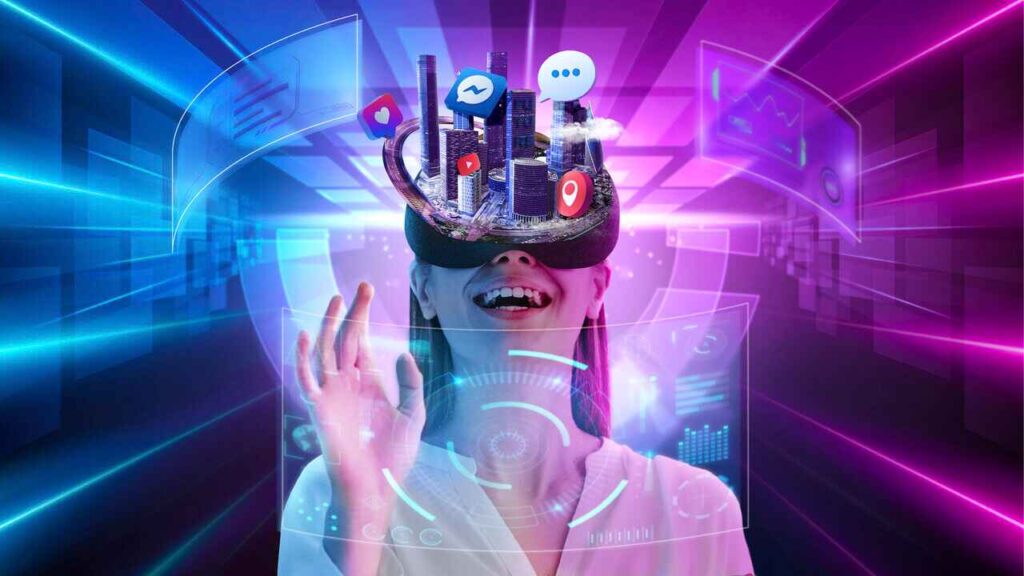
- Metaverse Ambassadors – Virtual influencers escorting users through VR shopping centers, concerts, and events.
- Mainstream Adoption – Social media influencers were once questioned, but AI influencers will soon be accepted as a standard marketing platform.
- Ethical Guidelines – Industry-wide standards for transparency, disclosure, and ethical creation will become evident.
The Road Ahead: What’s Next for Future Of Influencer Marketing?
Here’s what the future may hold:
- Human + AI Collaborations – Picture your favorite YouTuber co-hosting a campaign with a virtual influencer.
- Hyper-Personalized Avatars – Soon, brands may develop individualized influencers for specific customer groups—or even for individual users.
- Metaverse Ambassadors – Get ready for digital influencers to serve as guides in interactive brand experiences, from virtual shopping malls to AR try-ons
- Mainstream Acceptance – Just as humans used to question social media influencers (before they became marketing dynamos), AI influencers will become a given aspect of brand strategy.
- Clear Ethical Guidelines – Transparency and accountability will become the non-negotiables as regulations catch up.
Consumer Psychology: Why Do People Follow Virtual Influencers?
Imitating a virtual character appears strange at first sight. But psychology holds the key to their success:
- Parasocial Relationships – Fans establish one-way emotional connections with influencers, even when they know these are not real (such as movie or television stars).
- Escapism – Virtual influencers enable audiences to exist vicariously through aspiration lives that exceed their limits.
- Consistency – Online influencers never “break character,” offering consistent and reassuring engagement.
The Metaverse & Web3 Role
Nike’s Nikeland on Roblox allows fans to play and shop within branded environments.
Travis Scott and Ariana Grande demonstrated the strength of remote performances.
Consider:
A digital stylist assisting you in dressing your avatar with branded NFTs.
AI-powered travel influencers giving virtual tours prior to booking real holidays.
Final Thoughts: Merging Humanity & Technology
Virtual creators and AI influencers aren’t the end of humans—it’s just expanding the canvas of what stories can be told.
Human influencers will forever possess a special advantage: lived experience, emotional connection, and authenticity. But AI influencers can deliver something else: unlimited creativity, brand safety, and the power to scale influence worldwide.
The actual future of influencer marketing is to merge the two universes—where human generates heart, and AI generates imagination for more details Best Digital Marketer In Kochi.